
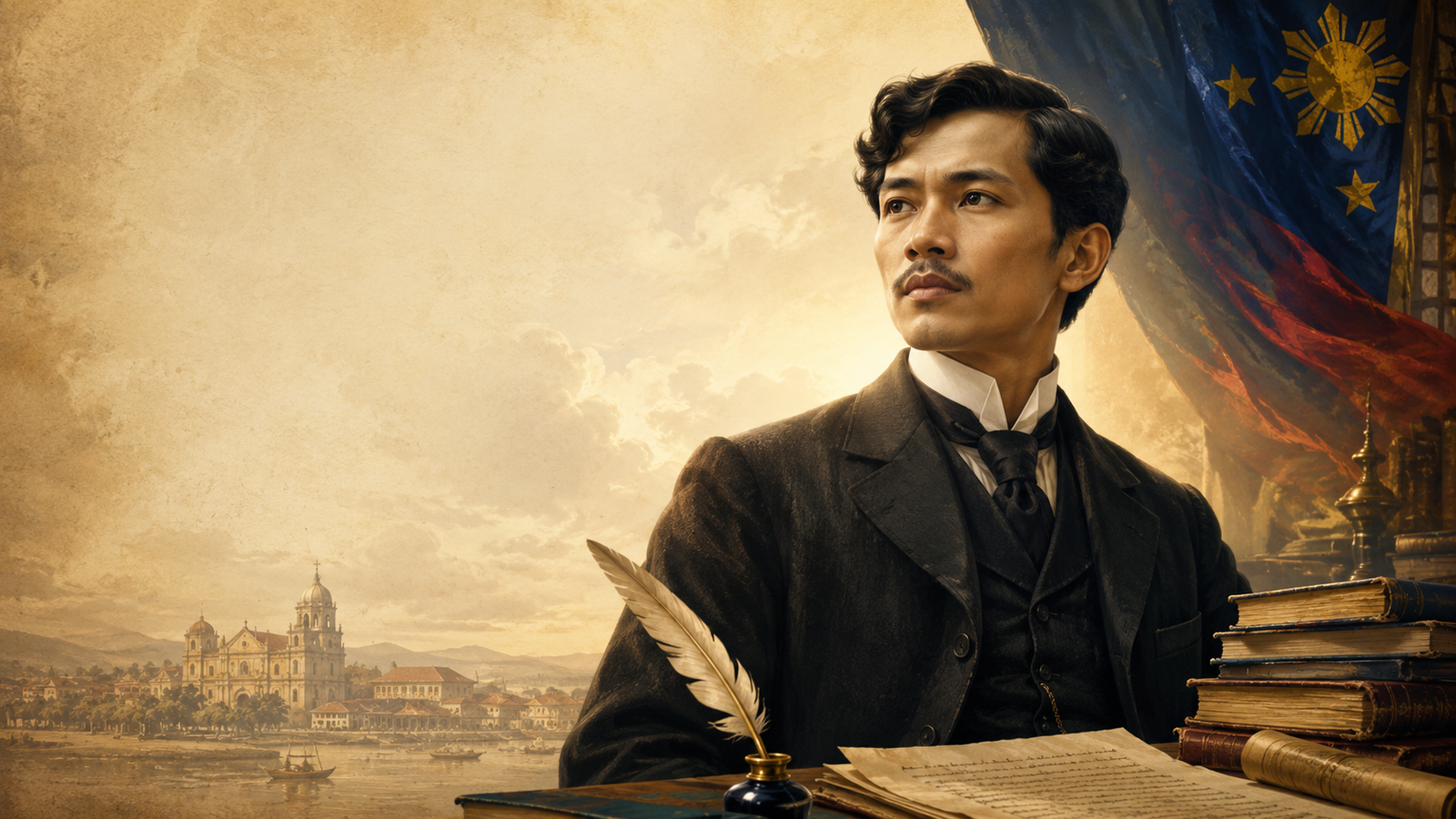
José Rizal is one of the most important figures in Philippine history. Known as the country’s national hero, Rizal used his intelligence, courage, and writing to awaken the minds of Filipinos during the Spanish colonial period. His life reminds students that education, discipline, and love for one’s country can create lasting change.
For learners preparing for exams, studying José Rizal is not just about memorizing dates and names. It is about understanding how one person’s ideas helped shape a nation.
Who Was José Rizal?
José Protacio Rizal Mercado y Alonso Realonda was born on June 19, 1861, in Calamba, Laguna. He came from a well-educated family and showed exceptional talent at a young age. Rizal was a writer, doctor, linguist, artist, and reformist.
He studied in the Philippines and later continued his education in Europe. His experiences abroad helped him see the problems faced by Filipinos under colonial rule more clearly. Instead of using violence, Rizal believed in peaceful reform through education, awareness, and reason.
Rizal’s Most Famous Works
Rizal is best known for his two novels:
Noli Me Tangere
Published in 1887, Noli Me Tangere exposed the abuses, corruption, and injustices experienced by Filipinos during Spanish rule. Through its characters, Rizal showed the struggles of ordinary people and the need for social reform.
El Filibusterismo
Published in 1891, El Filibusterismo is the sequel to Noli Me Tangere. It presents a darker and more serious view of society, showing the effects of oppression and the dangers of revenge, anger, and hopelessness.
These novels became powerful tools in opening the eyes of Filipinos and inspiring the movement for change.
Why José Rizal Is Remembered as a Hero
Rizal did not lead an army or start a violent revolution. Instead, he fought through his writings, ideas, and principles. He believed that true freedom begins with an educated and awakened people.
His courage came from speaking the truth even when it placed his life in danger. On December 30, 1896, Rizal was executed in Bagumbayan, now known as Luneta or Rizal Park. His death strengthened the Filipino people’s desire for independence.
Lessons Students Can Learn from José Rizal
José Rizal’s life offers many lessons that remain relevant today.
First, education is powerful. Rizal used learning to understand the world and help his country. Students today can also use education to improve themselves and contribute to their communities.
Second, words matter. Rizal’s novels and essays helped inspire national awareness. This shows that writing, communication, and critical thinking can influence society.
Third, courage is not always loud. Rizal showed bravery through discipline, sacrifice, and commitment to his beliefs.
Finally, love for country begins with responsibility. Rizal wanted Filipinos to become informed, united, and morally strong.
Why Rizal Still Matters Today
In modern times, students face different challenges: exams, digital distractions, social pressure, and uncertainty about the future. Rizal’s example reminds learners to stay focused, value education, and use their talents with purpose.
Studying Rizal also helps students understand Filipino identity, history, and citizenship. His life encourages young people to ask important questions: How can I serve others? How can I use my knowledge responsibly? What kind of future do I want to help build?
Conclusion
José Rizal’s legacy continues to live in classrooms, books, monuments, and the hearts of Filipinos. He proved that knowledge, integrity, and courage can inspire a nation. For students, Rizal is more than a historical figure. He is a reminder that learning has the power to create change.
As you review for your next exam, remember that studying history is not only about passing a test. It is also about understanding the people and ideas that shaped who we are today.