
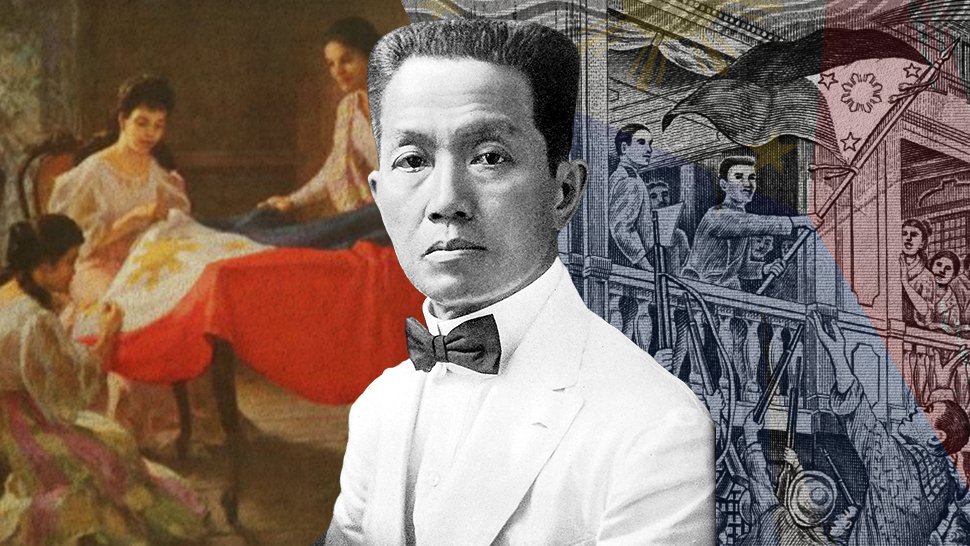
Emilio Aguinaldo is one of the most significant figures in Philippine history. He is best known as a revolutionary leader and the first president of the Philippines. His life is closely connected to the country’s struggle for freedom from Spanish rule and the early challenges of building a nation.
For students, studying Emilio Aguinaldo is important because it helps explain how the Philippine Revolution developed, how independence was declared, and how leadership can be both influential and complex.
Who Was Emilio Aguinaldo?
Emilio Aguinaldo y Famy was born on March 22, 1869, in Kawit, Cavite. He came from a prominent family and became involved in local leadership at a young age. During the Spanish colonial period, Aguinaldo joined the revolutionary movement that aimed to end foreign rule in the Philippines.
He became one of the leading figures of the Katipunan in Cavite, where revolutionary forces gained important victories against Spanish troops. His success as a military leader helped him rise quickly within the movement.
Role in the Philippine Revolution
Aguinaldo played a major role in the Philippine Revolution against Spain. As a young general, he led Filipino forces in several battles and became a symbol of resistance in Cavite.
In 1897, he became president of the revolutionary government. Although the movement faced internal struggles and military pressure, Aguinaldo continued to be a central figure in the fight for independence.
One of the most important moments in his leadership came on June 12, 1898, when Philippine independence was declared in Kawit, Cavite. This event remains one of the most meaningful dates in Philippine history.
The First Philippine Republic
After the declaration of independence, Aguinaldo became the president of the First Philippine Republic, also known as the Malolos Republic. This government represented an important step toward self-rule and showed that Filipinos were capable of creating their own political institutions.
However, the young republic faced serious challenges. The Spanish-American War changed the political situation in the Philippines, and the country soon came under American control. This led to the Philippine-American War, where Aguinaldo again became a leader in the struggle for independence.
A Complex Historical Figure
Emilio Aguinaldo is remembered as a hero by many because of his role in the revolution and the declaration of independence. However, his legacy is also complex. Historians continue to discuss his involvement in political conflicts within the revolutionary movement, including tensions with other leaders such as Andrés Bonifacio and Antonio Luna.
This complexity makes Aguinaldo an important subject for study. History is not always simple, and leaders are often shaped by difficult decisions, conflicts, and the challenges of their time.
Lessons Students Can Learn from Emilio Aguinaldo
Aguinaldo’s life teaches several important lessons.
First, leadership requires courage. Aguinaldo led during a dangerous period when fighting for freedom involved great personal risk.
Second, independence requires unity. The struggles within the revolutionary movement show how division can weaken even the strongest causes.
Third, history should be studied with critical thinking. Aguinaldo’s achievements and controversies remind students to examine events from different perspectives.
Finally, nation-building is difficult. Declaring independence was only the beginning. Creating a stable and free country required organization, sacrifice, and cooperation.
Why Emilio Aguinaldo Still Matters Today
Emilio Aguinaldo remains important because his life is connected to the birth of the Philippine nation. The declaration of independence, the First Philippine Republic, and the fight against colonial rule are all part of his legacy.
For today’s students, learning about Aguinaldo helps build a deeper understanding of Filipino identity, citizenship, and patriotism. His story encourages learners to appreciate the sacrifices made by earlier generations and to reflect on the responsibilities that come with freedom.
Conclusion
Emilio Aguinaldo played a major role in the Philippines’ journey toward independence. As a revolutionary leader and the country’s first president, he helped shape some of the most important events in Philippine history.
His legacy reminds students that freedom is not achieved easily. It requires courage, unity, wisdom, and a willingness to learn from the past. By studying Aguinaldo, learners can better understand both the achievements and challenges that helped form the Philippines as a nation.