Every living thing, from a tiny bacterium to a tall tree to the human body, is made of cells. A cell may be microscopic, but it is one of the most important structures in science. It is often called the basic unit of life because all living organisms depend on cells to grow, function, repair, and survive.
Cells are like tiny living machines. They take in materials, produce energy, remove waste, communicate with other cells, and carry instructions needed for life. Without cells, life as we know it would not exist.
What Is a Cell?
A cell is the smallest unit of an organism that can perform life processes. This means a cell can carry out important activities such as using energy, responding to its environment, and reproducing.
Some organisms are made of only one cell. These are called unicellular organisms. Bacteria and some types of algae are examples.
Other organisms are made of many cells. These are called multicellular organisms. Humans, animals, and plants are multicellular. In the human body alone, there are trillions of cells working together.
Why Cells Are Important
Cells are important because they make life possible. They do not simply exist inside living things; they actively keep organisms alive.
For example, cells in your muscles help you move. Cells in your blood carry oxygen. Cells in your stomach help digest food. Cells in your skin protect your body. Brain cells send messages that allow you to think, feel, remember, and respond.
Each type of cell has a special job, but all cells share one purpose: helping the organism survive.
The Main Parts of a Cell
Although cells can be different in shape and function, many cells have basic parts that help them work properly.
Cell Membrane
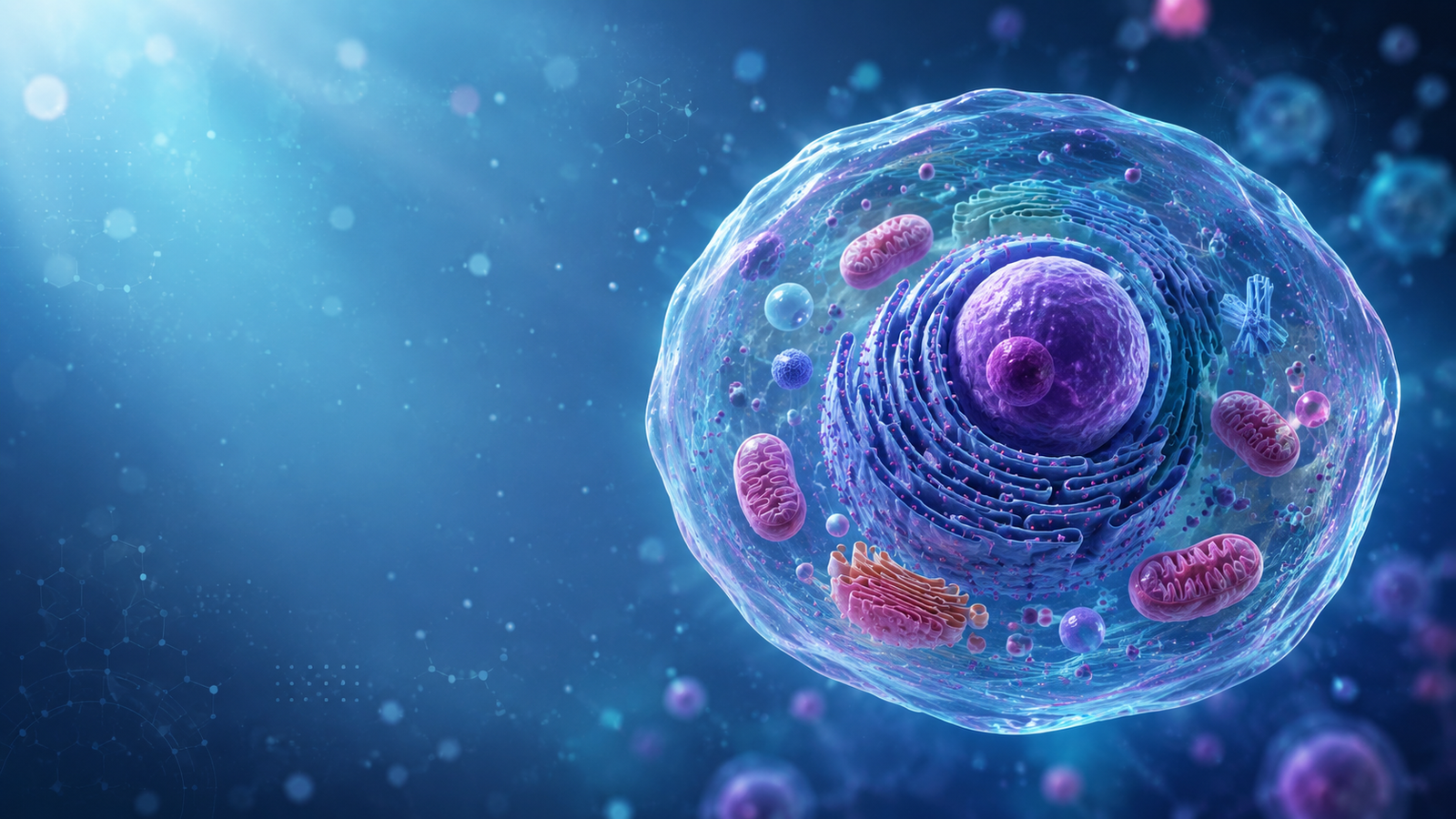
The cell membrane is the outer covering of the cell. It controls what enters and leaves the cell. It allows useful materials, such as nutrients and oxygen, to come in while helping remove waste products.
You can think of it as the cell’s security gate.
Cytoplasm
The cytoplasm is the jelly-like material inside the cell. It holds the cell’s parts in place and provides space for many chemical activities to happen.
Nucleus
The nucleus is often called the control center of the cell. It contains DNA, which carries genetic instructions. These instructions tell the cell how to grow, develop, and function.
Not all cells have a nucleus. Bacteria, for example, do not have a true nucleus.
Mitochondria
The mitochondria are known as the powerhouse of the cell. They help produce energy from food. This energy allows the cell to perform its tasks.
Ribosomes
Ribosomes help make proteins. Proteins are important because they build structures, repair tissues, and support many activities inside the body.
Plant Cells and Animal Cells
Plant and animal cells have many similarities, but they also have important differences.
Animal cells have a cell membrane, nucleus, cytoplasm, mitochondria, and other organelles. They are usually flexible in shape.
Plant cells have many of the same parts, but they also contain special structures such as a cell wall, chloroplasts, and a large vacuole.
The cell wall gives plant cells extra support and shape.
The chloroplasts allow plants to make food through photosynthesis.
The vacuole stores water, nutrients, and waste materials.
These differences help explain why plants can stand upright, make their own food, and store water efficiently.
Cells and the Human Body
The human body is a community of specialized cells. Each cell type performs a specific role, and together they form tissues, organs, and body systems.
For example:
Nerve cells send electrical signals.
Red blood cells transport oxygen.
White blood cells fight infection.
Muscle cells help the body move.
Bone cells support and protect the body.
When cells work properly, the body stays healthy. When cells are damaged or do not function correctly, illness can occur.
How Cells Grow and Divide
Cells grow and divide to help organisms develop, repair injuries, and replace old or damaged cells. This process is called cell division.
In many body cells, division happens through a process called mitosis. During mitosis, one cell divides into two identical cells. This helps the body grow and heal.
For reproduction, special cells are formed through a process called meiosis. This creates sex cells, such as sperm and egg cells, with half the usual number of chromosomes.
Cells Are Alive and Active
Even though cells are very small, they are constantly busy. A cell may look simple under a microscope, but inside it, many activities are happening at the same time.
Cells absorb nutrients, produce energy, build proteins, send signals, repair damage, and remove waste. Their work is organized and continuous.
This is why studying cells is important in biology, medicine, agriculture, and environmental science.
Why Students Should Learn About Cells
Understanding cells helps students understand bigger science topics. Once you know how cells work, it becomes easier to learn about body systems, genetics, diseases, reproduction, plants, and ecosystems.
Cells connect many areas of science. They explain how wounds heal, how plants grow, how medicine works, and how traits are passed from parents to offspring.
Learning about cells is not just memorizing parts. It is learning how life is organized from the smallest level.
Final Thoughts
A cell is small, but its importance is enormous. It is the foundation of every living organism and the starting point for understanding life itself. Whether it is helping a plant produce food, allowing a muscle to move, or carrying oxygen through the blood, every cell has a role.
The next time you look at a leaf, touch your skin, or take a breath, remember that millions of cells are working quietly behind the scenes. Life may appear large and complex, but it begins with something incredibly small: the cell.