
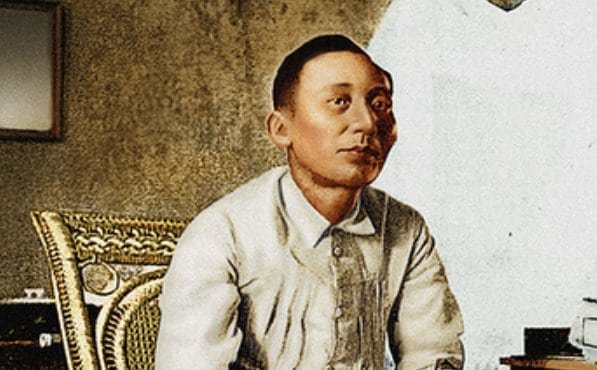
Apolinario Mabini is one of the most respected figures in Philippine history. Known as the “Brain of the Philippine Revolution” and the “Sublime Paralytic,” Mabini used his intelligence, principles, and dedication to help guide the country during its struggle for independence.
For students, learning about Mabini is important because his life shows that leadership is not only about physical strength or military power. It can also come from wisdom, integrity, and service to the nation.
Who Was Apolinario Mabini?
Apolinario Mabini y Maranan was born on July 23, 1864, in Tanauan, Batangas. He came from a poor family, but he worked hard to pursue his education. Through determination and discipline, he became a lawyer, writer, political thinker, and adviser.
Mabini was known for his sharp mind and strong moral principles. Even after illness left him paralyzed, he continued to serve the country through his ideas and writings.
Mabini’s Role in the Philippine Revolution
Mabini became an important adviser to Emilio Aguinaldo during the Philippine Revolution and the early period of the First Philippine Republic. Because of his intelligence and political insight, he helped shape the revolutionary government’s policies and direction.
He believed that independence should be supported by a strong, organized, and principled government. Mabini wanted Filipino leaders to act with responsibility, honesty, and unity.
His ideas helped guide the young nation during one of the most difficult periods in Philippine history.
The First Philippine Republic
During the First Philippine Republic, Mabini served as a key political adviser and later as the country’s first Secretary of Foreign Affairs. He helped explain the goals of the Filipino people to other nations and defended the right of the Philippines to govern itself.
Mabini understood that freedom required more than winning battles. It also required diplomacy, law, education, and good leadership. His work showed the importance of building institutions that could support a truly independent country.
Why He Was Called the “Brain of the Revolution”
Apolinario Mabini earned the title “Brain of the Revolution” because of his role as a thinker, strategist, and adviser. While many heroes fought on the battlefield, Mabini contributed through his ideas.
He wrote important works that explained his vision for the nation. One of his well-known writings, “The True Decalogue,” presented moral principles for citizens and leaders. It emphasized love of country, respect for others, and responsibility to the common good.
A Leader of Integrity
Mabini is remembered not only for his intelligence, but also for his integrity. He remained firm in his beliefs even when faced with pressure and hardship. During the American occupation, he refused to take an oath of allegiance to the United States at first, because he believed in the Filipino people’s right to independence.
As a result, he was exiled to Guam. His courage showed that true leadership often requires sacrifice and loyalty to one’s principles.
Lessons Students Can Learn from Apolinario Mabini
Mabini’s life offers many meaningful lessons.
First, education can overcome poverty. Mabini’s dedication to learning helped him rise above difficult circumstances and serve his country.
Second, leadership can come from the mind. Even without physical strength, Mabini influenced history through wisdom, writing, and careful thought.
Third, principles matter. Mabini showed that doing what is right may require sacrifice.
Finally, nation-building requires responsibility. He believed that freedom must be protected by good citizenship, honest leadership, and unity.
Why Apolinario Mabini Still Matters Today
Apolinario Mabini remains relevant because his values are still needed in modern society. Students today can learn from his discipline, patriotism, and commitment to truth.
In a world filled with distractions and challenges, Mabini’s example encourages learners to think deeply, study seriously, and use knowledge to help others. His life proves that one person’s ideas can help guide a nation.
Conclusion
Apolinario Mabini played a vital role in the Philippine struggle for independence. As a lawyer, writer, adviser, and statesman, he helped shape the ideals of the First Philippine Republic.
His legacy reminds students that intelligence, integrity, and courage can be powerful tools for change. By studying Mabini, learners can better understand the importance of education, responsible leadership, and service to the country.